
1. Short answer: it depends on the fishery and the species
There are quite a few myths surrounding fishing in the Netherlands. The most common one is: "there is a total, absolute ban on keeping any fish in this country". However, the reality is a bit more complex.
Dutch fishing law generally allows keeping a fish for personal use, but imposes very restrictive frameworks. One overriding rule applies here: general national regulations are only the baseline, and the final word always belongs to the given water management authority, i.e., the local angling association (HSV).
In practice, this means that:
- No single universal rule for the entire country: On one river you may legally keep a zander within a specific limit, while on a canal just 500 meters away, an absolute catch-and-release mandate may apply (terugzetplicht).
- Total protection of selected species: Some fish are subject to an absolute ban on keeping them anywhere, without any exceptions.
- Local responsibility: The bailiff (Boa or police) does not care what is allowed in the neighboring town or on general state waters – the regulations of the exact section you are currently standing on are all that matters.
Therefore, instead of relying on common opinions from forums or Facebook groups, the key is to check the exact fishery rules before casting your rig.
2. Species completely banned from keeping (No-Kill nationwide)
Before you start analyzing sizes and bag limits, you must know the list of species which must under no circumstances be put into a keepnet or removed from the fishery. In their case, the matter is indisputable – after being hooked and unhooked, the fish must immediately, in the best possible condition, return to the water (so-called terugzetplicht).
-
Wels catfish (Meerval):
In the Netherlands, the wels catfish is subject to a strict, year-round catch-and-release mandate on all waters. Regardless of whether you catch a small 40 cm catfish or a monster exceeding two meters, the fish must be released back into the water immediately without exception. Killing a catfish or transporting it from the fishery is treated as a serious poaching offense. -
Pike (Snoek):
In almost the entire Netherlands, there is a strict catch-and-release policy for pike on waters affiliated with Sportvisserij Nederland. This predator is treated as a national treasure and ecosystem regulator—every single fish, regardless of size, goes back into the water. -
Eel (Paling / Aal):
Subject to a total, nationwide ban on possession and retention under endangered species protection laws. Even if you hook one accidentally while coarse fishing, you must release it immediately (and cut the leader in case of a deep hook swallow). Having an eel in your possession during an inspection results in an immediate court case and a severe financial penalty. -
Carp (Karper):
The vast majority of clubs (HSV) have introduced mandatory Catch & Release for carp. Carp fishing in the Netherlands is based on absolute respect for fish (unhooking mats, cradles, carp care antiseptics), and killing a carp is viewed as a serious regulatory offense. -
Strictly protected species:
Including sturgeon (Steur), bitterling (Bittervoorn), loach (Grote modderkruiper) or lampreys. Fishing for them is illegal, and accidental bites require immediate release of the fish.

3. Zander and perch – when can you keep them and what are the limits?
While pike and catfish are subject to full protection, in the case of zander (Snoekbaars) and perch (Perch) Dutch regulations in many places allow keeping a fish for personal use. However, before the fish goes into the bag, you must meet a number of strict conditions.
Minimum sizes (national)
The national minimum size below which the fish must be unconditionally returned to the water is:
- Zander: 42 cm
- Perch: 22 cm
Catch limits (so-called bag limit)
Catching a fish above the minimum size limit does not mean you can keep any number of fish. Most associations have strict daily bag limits per angler:
- Zander: Usually the limit is maximum 2 or 3 pieces per day. Importantly, more and more municipal associations are introducing a total ban on keeping zander on their canals.
- Perch: In many regions, the limit is e.g. up to 2 or 5 pieces above the size limit, although on some open waters the limit may be higher.
Upper size limit (slot limit)
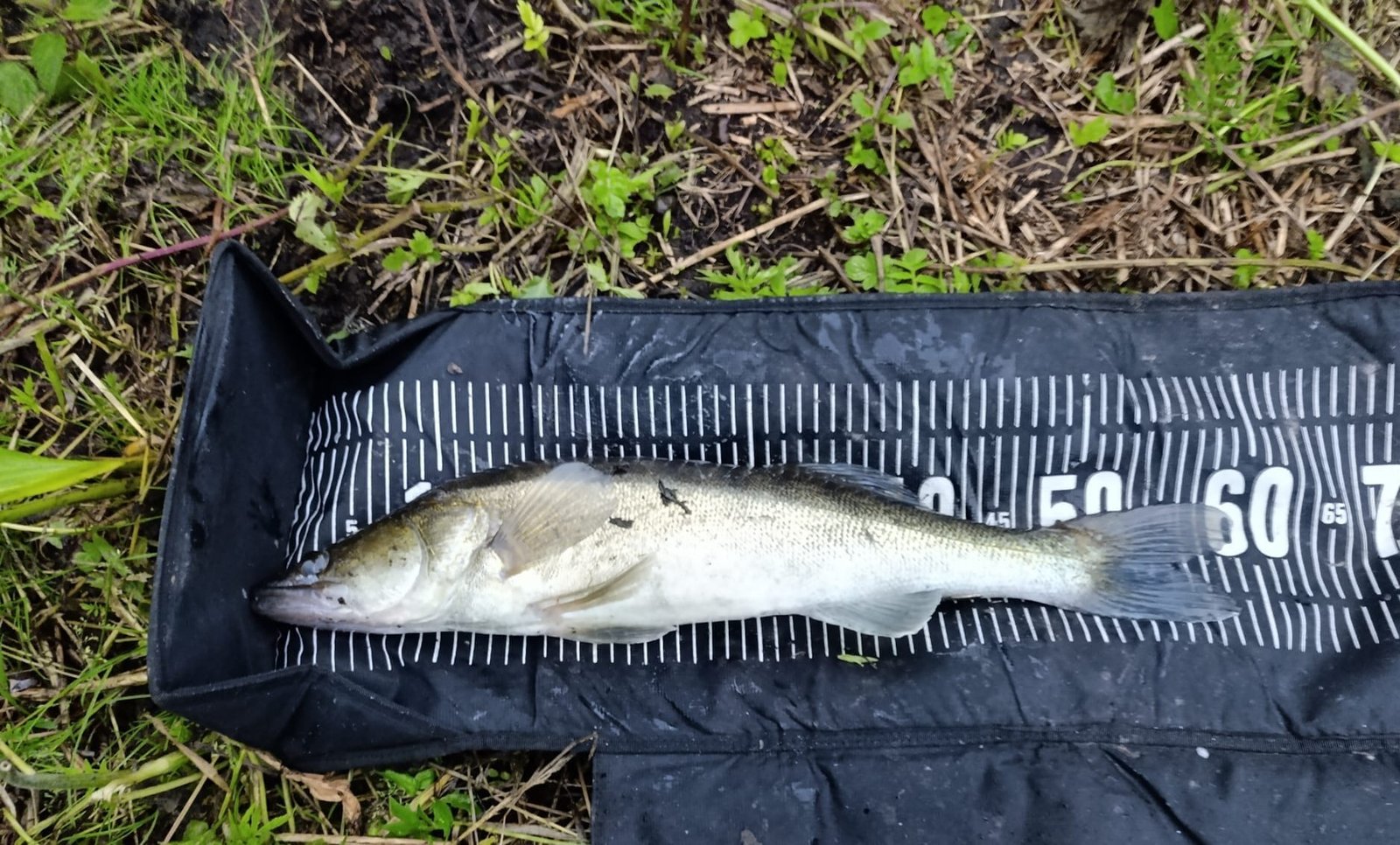
Pay attention to the so-called bovenmaat (maximum size limit). Many Dutch clubs protect large specimens that pass on the best genes. For example, in a given water, zander may only be kept within the range of 42–70 cm – every specimen over 70 cm must be unconditionally released back into the water.
4. Where to check the rules for a specific section? The role of the VISplanner application
Many anglers make the mistake of looking for answers on internet forums or asking friends. In the Netherlands, the only 100% reliable and legally binding source of information on the rules applicable to a given fishery is the application VISplanner.
To check if and what fish you can keep from the water you are standing by, follow 3 simple steps:
- Turn on GPS location: Launch the application and make sure that your position marker is located on a section marked with a color entitling you to fish.
- Click directly on the given lake or river: An information card with the name of the fishery and the water manager (fishery rights holder) will appear on the screen.
- Expand the regulations tab (Voorwaarden / Fishery rights holder's regulations): This is where all local restrictions are hidden. The application is translated into Polish, making it easy for you to see if there are any additional restrictions.
What rules do you need to pay special attention to?
- Meeneemlimiet (Retention limit):
The section that precisely specifies the number of specimens of a given species you are allowed to keep per day (e.g., a maximum of 2 perch or 2-3 zander). If there is a 0 next to the species or a note about a ban, keeping fish is not allowed. - Terugzetplicht (Mandatory immediate release):
An absolute requirement to release the caught fish back into the water in the best possible condition. This rule often applies to pike, carp, and on many urban canals, also to zander. - Bovenmaat (Maximum size / upper size limit):
A restriction protecting mature breeding specimens. If the club has introduced, for example, an upper size limit for zander at 70 cm, any fish measuring 71 cm or more must be returned to the water immediately, even if you are within the bag limit. - Allowed fishing methods and closed seasons:
In the regulations for a given section, you will also find information on local bans regarding the use of specific lures (e.g., dead bait, pieces of fish, or artificial lures above a certain size during the spring closed season).

5. Coarse fish and commercial / trout fisheries
The rules regarding predators are strict, but what is the situation with coarse fish and commercial fisheries? Here, regulations vary depending on the nature of the water and the destination of the caught fish.
Coarse fish (roach, bream, silver bream) on public waters
Coarse fish are treated somewhat more leniently than predators, but they are still subject to regulations:
- For personal use: Most association waters allow you to keep a few roach or bream (e.g., for consumption or as bait), unless the local club's regulations state a total ban on keeping all coarse fish.
- Acquiring live or dead baitfish: If you plan to use small roach or perch as bait, remember about bag limits (usually up to a dozen dead baitfish are allowed) and the absolute ban on using live bait in the Netherlands.
- Keepnets: In float or feeder fishing, holding coarse fish in long, knotless match keepnets is permitted during competitions or training, after which all fish are safely released back into the water.
Commercial fisheries (Forellenvijvers)
A completely separate category consists of private commercial fisheries, the most popular of which in the Netherlands are trout ponds (forellenvijvers):
- No VISpas requirement: VISpas is not required on commercial fisheries – you pay for admission directly to the facility owner (usually a fee for a specified number of fishing hours).
- Keeping caught fish: The entrance fee to trout ponds almost always includes the right to keep the trout you catch (in fact, releasing them is often forbidden for the sake of fish welfare).
- Sturgeon and carp ponds: If the same commercial facility features a pond with large carp or sturgeon, a strict Catch & Release rule applies there, along with a mandatory requirement for barbless hooks, professional unhooking mats, and landing nets.
6. On-water inspections and the consequences of breaking the rules
Dutch enforcement authorities take compliance with fishing regulations very seriously. On-water inspections are carried out not only by police officers, but above all by nature conservation guards (so-called BOA – Buitengewoon Opsporingsambtenaar) and inspectors appointed by local HSV associations.
The BOA bailiff has powers similar to a police officer – they have the right to check your permit on your phone, inspect your tackle, search your car, and, in the event of serious violations, confiscate your fishing rods.
Most common offenses and consequences
-
Keeping a fish subject to a total catch ban:
Keeping a pike, catfish, or eel is treated extremely seriously. Fines start at several hundred euros and up, and the case very often goes directly to the prosecutor's office. -
Unlawful keeping of fish (the issue of keepnets):
Strict animal welfare laws apply in the Netherlands (viswelzijn). Using metal wire keepnets, tight keepnets for holding predators, or keeping fish in a bucket without aeration is a guaranteed fine. If the water regulations in VISplanner state that keepnets are prohibited, you cannot put even a single roach into one. -
Exceeding the limit (bag limit) or size limit:
Possessing even a single zander more than the regulations allow results in a financial fine charged per fish and the immediate confiscation of the fish. -
Revocation of the VISpas and placement on the "black list":
In addition to a financial fine, the water management has the right to immediately terminate your club membership and revoke your VISpas. In extreme cases, the angler is added to the Sportvisserij Nederland register, making it impossible to purchase a permit in future years.
7. Summary and fishing culture in the Netherlands
Dutch waters are famous throughout Europe for their impressive population of large zander, meter-long pike, and chunky perch. However, this state of affairs is neither an accident nor solely the merit of a rich hydrotechnical network – it is primarily the result of many years of consistently built Catch & Release culture and mutual trust between anglers and water protection services.
For the local community, fishing is a sport, a passion, and communion with nature, not a way to fill the freezer. Understanding this approach helps to avoid tensions on the canal bank and allows you to fully enjoy the local fisheries:
- Respect the fish and its environment: Use an unhooking mat and a landing net with a soft mesh.
- Protect big fish: Specimens above maximum size limits are the basis of reproduction. Even where the law does not prohibit keeping them, releasing a large female pays off in subsequent seasons.
- Lack of certainty is a sign to release: If you cannot clearly understand a provision in the VISplanner or have doubts whether you are on club waters that allow keeping fish – release it. This way you will avoid trouble during a BOA inspection.
Proper use of the VISplanner, checking local restrictions, and respect for Dutch regulations will make every fishing trip a pure pleasure – safe, legal, and full of beautiful sporting emotions.
Tight lines on Dutch predators, explosive strikes on the drop, and see you somewhere on the canal bank!