
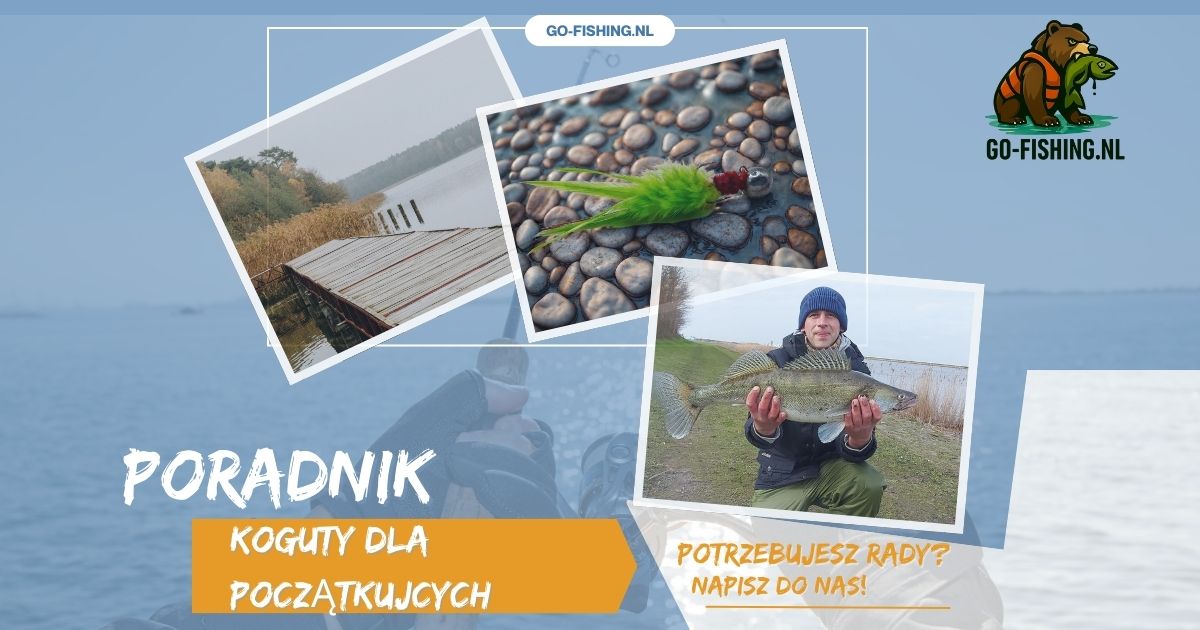
1. Introduction: what kogut fishing is all about
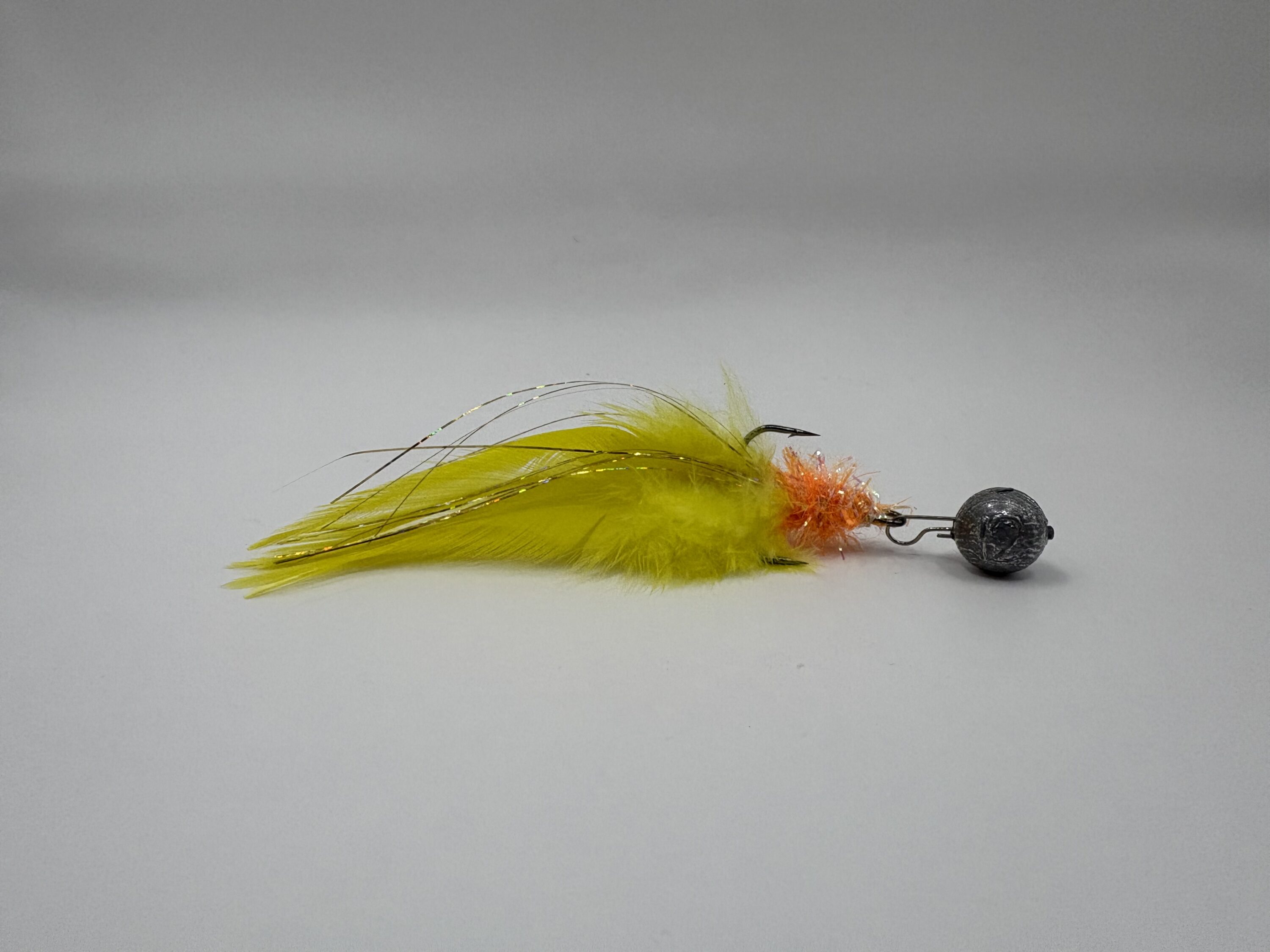
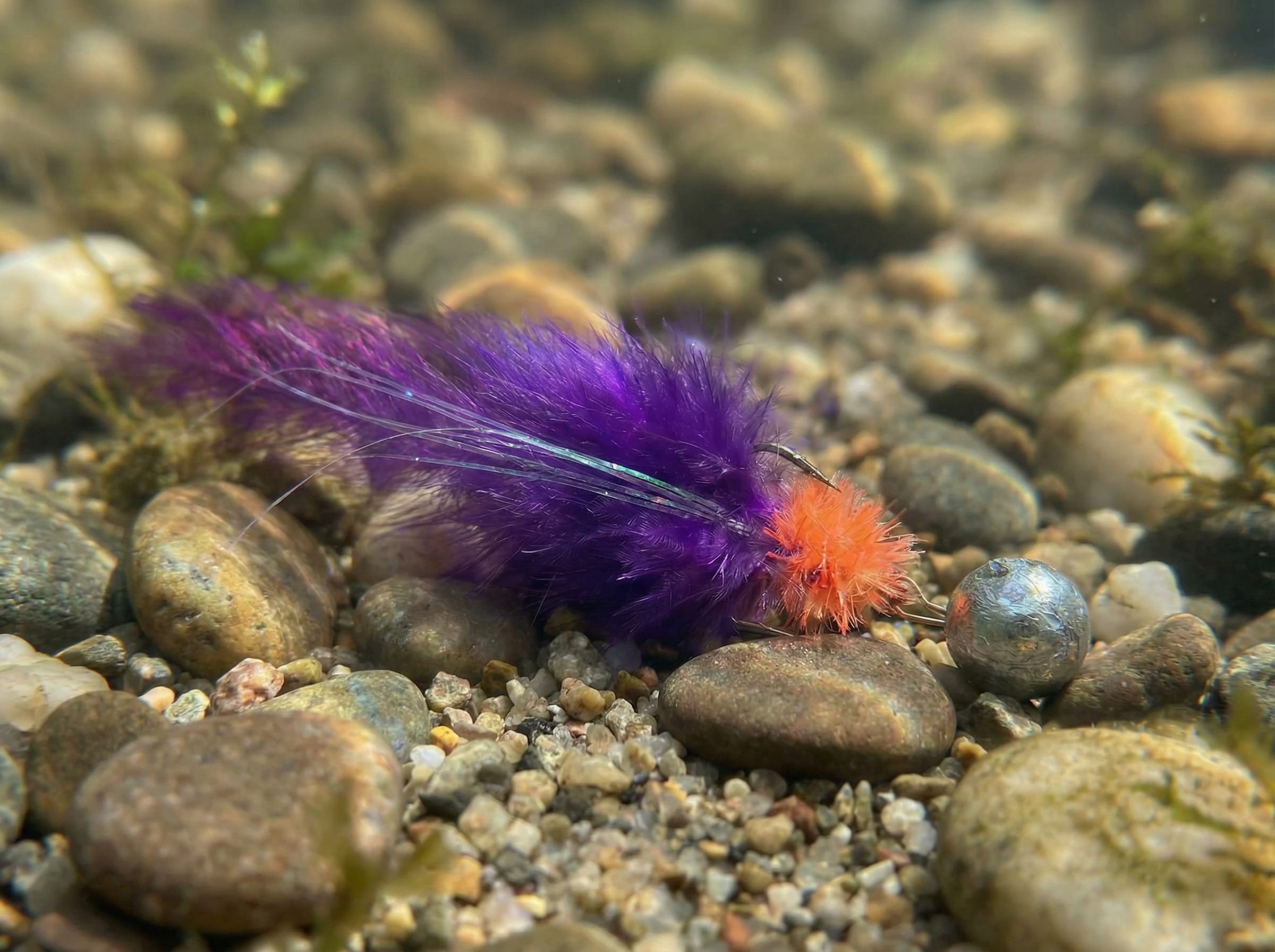
Feather jigs are one of those lures that at first glance look trivial - a simple jig head and feathers. And yet they can be surprisingly effective. Especially in the Netherlands, where zanders rarely come into contact with them, it can do a good job. Even in waters with a lot of pressure, fish react to them freshly and aggressively.
In addition, kogut fishing itself is fun, simple and gives a great feel for the lure. It's a method that quickly draws in - both beginners and more experienced anglers.
2. Why the feather jig method is good for beginners
The rooster armed with a jig head falls to the bottom quickly and decisively. This aggressive, clear fall is very easy to feel, even for those who are new to jig techniques. In contrast to delicate methods like dropshotthere is no finesse here - the lure is supposed to work dynamically (except during the coldest period).
Importantly, for feather jig fishing you don't need any special rod. In most cases, you can use your standard spinning rod that you use for zander or pike. This makes getting into this method cheap, simple and requires no additional purchases.
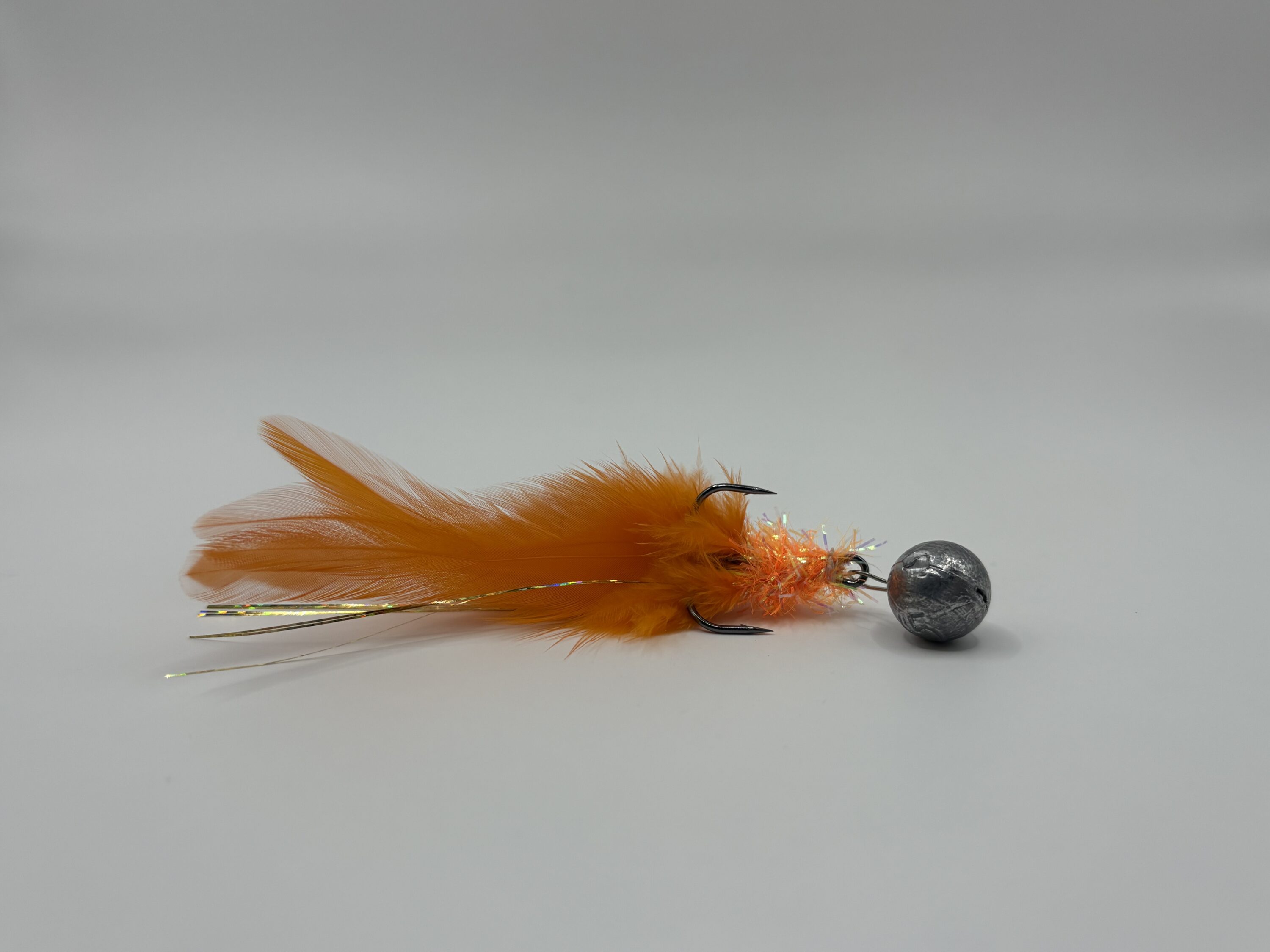
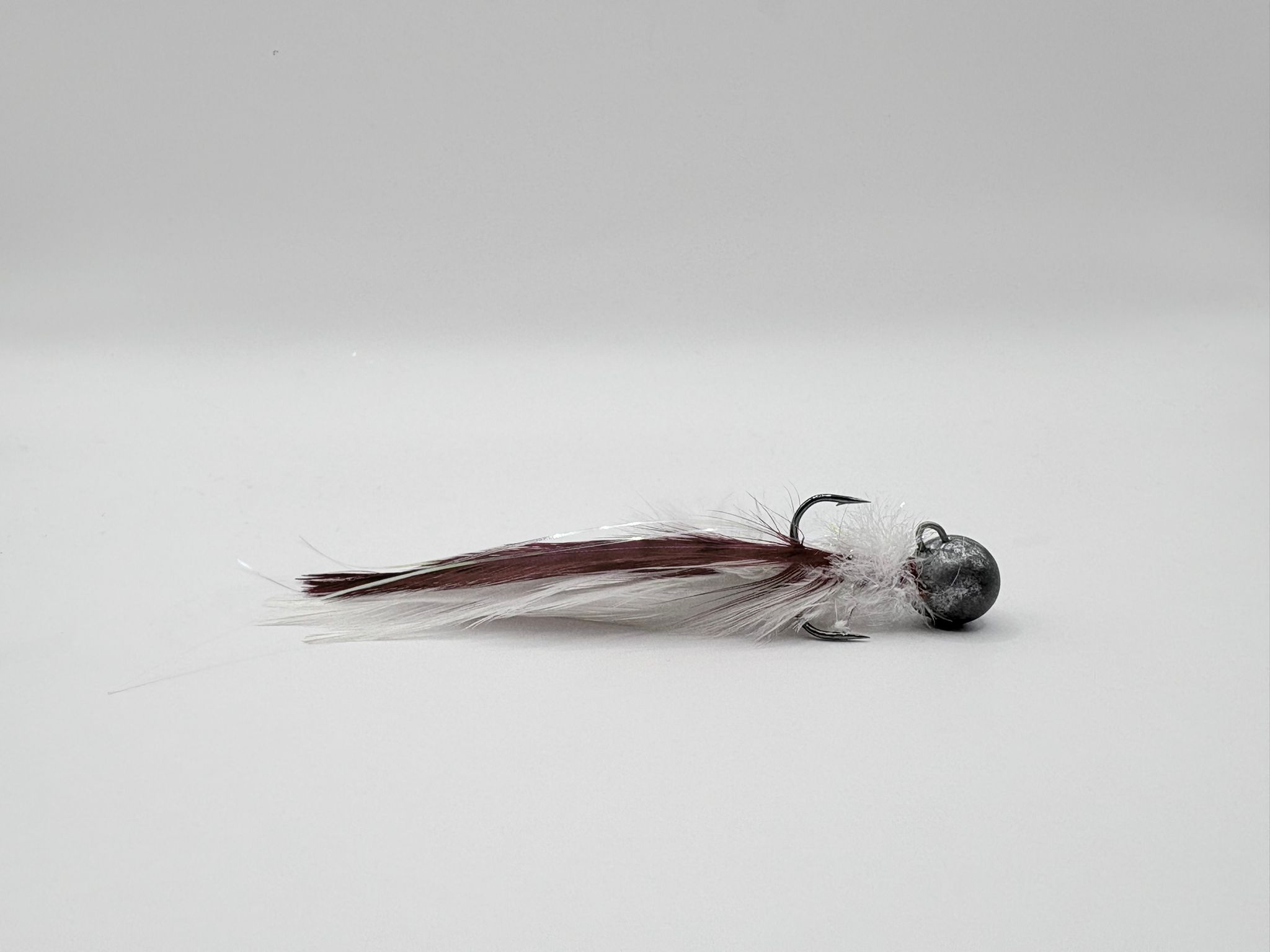
An additional advantage are the treble hooks with which most roosters are armed. They increase the effectiveness of the hook setting and forgive minor mistakes of beginners who do not yet have a feel for animating the lure.
All of this makes kogut fishing simple, intuitive and gives quick results - perfect for getting started.
3. What equipment to start with (without overpaying)
3.1 Rod - you can probably use the one you already have
For this kind of fishing you really don't need anything special. If your rod works well with soft baits, it will also cope with roosters. Even if you have a rod more „for crankbaits”, it's still worth a try - in most cases you will easily grasp it. This is a method that does not require dedicated equipment, so the entry threshold is very low.
3.2 Reel - simple, reliable, no fancy features
There is no philosophy here either. You don't need a finesse reel or super-precise gear ratios. If you are spinning fishing and have a reel in the 2000-4000 size, you can confidently manage. The most important thing is a smooth brake - but this is still the standard when fishing for zander.
3.3 Braid - thin, but not too thin
If you have a braided line on which you fish for zander or pike, you are ready. This is not an ultralight fishing, where too thick a line spoils the work of the lure. Here the main thing is sensitivity, because zanders can take quickly and decisively.
If you need to buy a new braided line, choose something in the range of 0.10-0.16 mm - is the perfect compromise between durability and feeling.
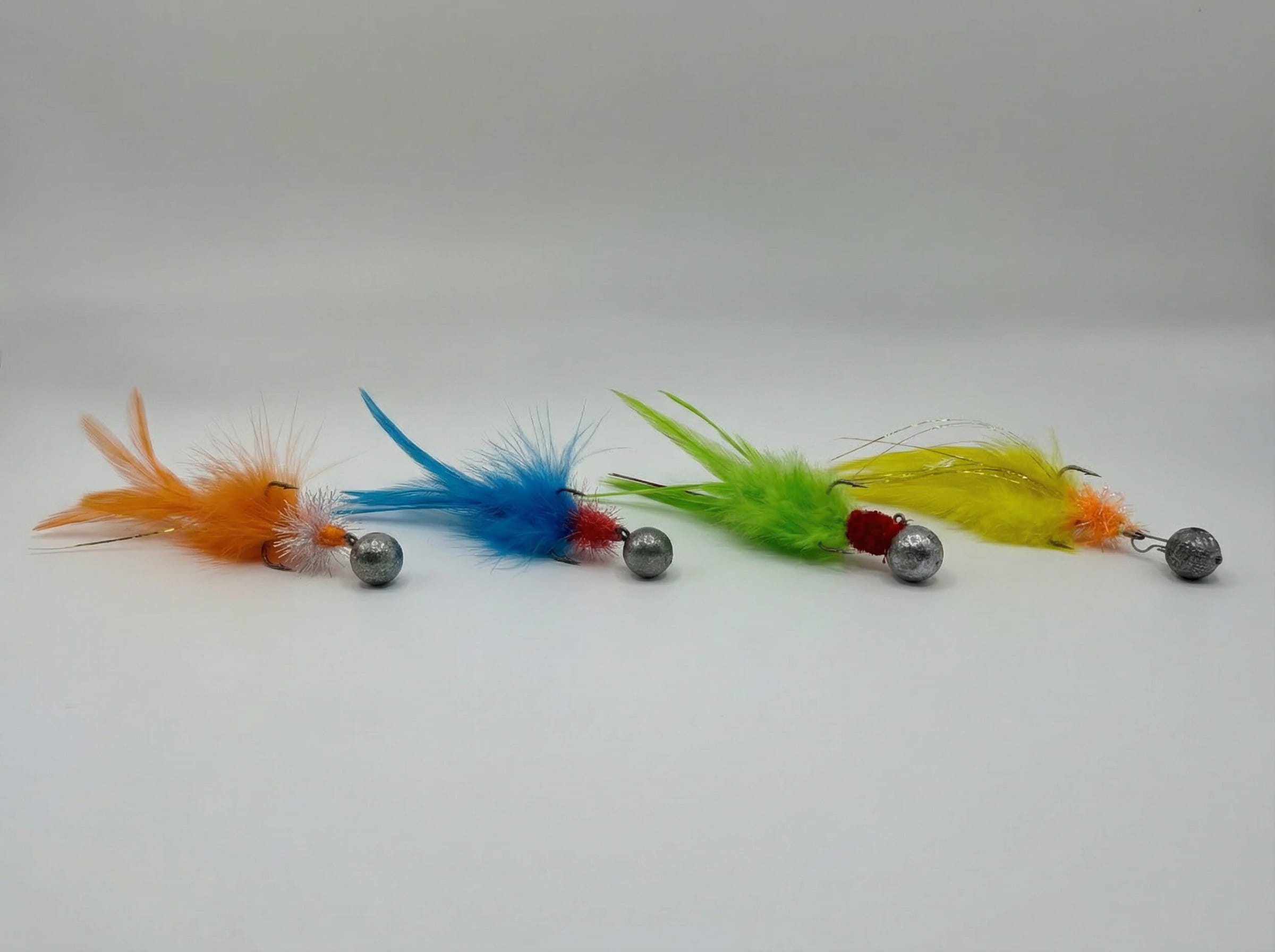
3.4 Kogut ideal for zander and perch
In most situations we use lures with a weight of 10-25 g. It's a versatile scope that allows you to fish comfortably in most Dutch fisheries.
On deep pits, troughs or in a strong current, it is worth reaching for heavier models 20-35 g, which sink faster and keep better contact with the bottom.
As for colors - here it is really worth experimenting. Every angler has his own „certainties”, but to begin with it is best to choose colors that already work for you on soft baits. Zander often react similarly to both types of lures.
Also a great option to get started are kogut System from Manyfik, in which instead of a classic head, cheburashka is used. This allows you to instantly change the weight of the lure without having to replace the entire kogut - ideal when you fish at different depths or in changing currents.
Koguts are readily available in the Netherlands - you can find them with us at go-fishing.nl
3.5 Leaders - are they necessary?
Yes, they are definitely worth using.
- In clean water it's best to use fluorocarbon leader - they are barely visible and resistant to abrasion.
- In murky water or where there is a chance of pike or catfish, great choice is surflon. It is durable, flexible and also hardly visible underwater
4.How to fish a Kogut jig – Step by step
Working a rooster jig is much like working a soft bait: sink to the bottom, snap it up, pause and repeat. This is a simple scheme that works in most situations. From time to time, however, it is worth adding variations - a double bounce, a faster reeling, a longer pause. Be creative, because zander often responds to a change of pace.
The key is watching the rod tip. It will show you what the bottom looks like:
- If it straightens quickly - the bottom is hard.
- If slowly - it is soft or muddy.
Set the hook on anything that even remotely feels like a bite.
Something held the lure and you think it's a snag? Think the opposite -. it could be zander..
Line moving sideways? Set the hook!
Did the top twitch? You guessed it - set the hook.
Remember, you're not "snagging". Work the lure so it lifts off the bottom, but focus on the 30-60 cm, rather than a meter. To begin with, it is best to start with 1-2 reel turnsand once you get the feel for it, you can practice working the lure with the rod itself.
5. The most common mistakes
1. Lure too heavy
Don't overdo the weight. A Kogut jig shouldn't be too light, but using 25 grams in two meters of water rarely makes sense. An overweight lure sinks too aggressively, loses its natural action, and gets snagged on the bottom more easily. Matching the weight to the depth and conditions is the key to a successful presentation.
2. Fishing too fast
Too much aggression will more often scare away than encourage the predator. Zanders likes dynamics, but not chaos. Try to find the compromise: Be aggressive, but not frantic. Vary the pace, but don't „jerk” around without restraint.
3. Losing contact with the bottom
This is one of the biggest mistakes. The strength of a kogut lies in its constant banging on the bottom. The wave that spreads after such a strike often provokes the zander to attack. And since zanders mainly stick to the bottom - that's where you need to guide the lure. If you do not feel the bottom, change the weight or pace.
4. Fishing in areas full of snags
This doesn't lower your chances of a strike, but it definitely increases the risk of... losing your jig. Because of the exposed hook, this lure can easily snag and get stuck for good. It's best to avoid areas with heavy timber, old fishing lines, debris, or dense sunken structures. The Kogut jig is incredibly effective, but it is definitely not "weedless".
6 Summary
As you can see - the Kogut isn't as scary as it seems. It's simple, effective, and truly engaging. So before you head to the water again, browse our koguts selection and surprise the cloudy-eyed predators with something they haven't seen before.
Thanks for reading the guide.
If you have your own experiences, comments or want to share your results - go ahead and leave a comment.
Good luck on the water and tight lines!
 Polish
  English
  Dutch
Dutch