
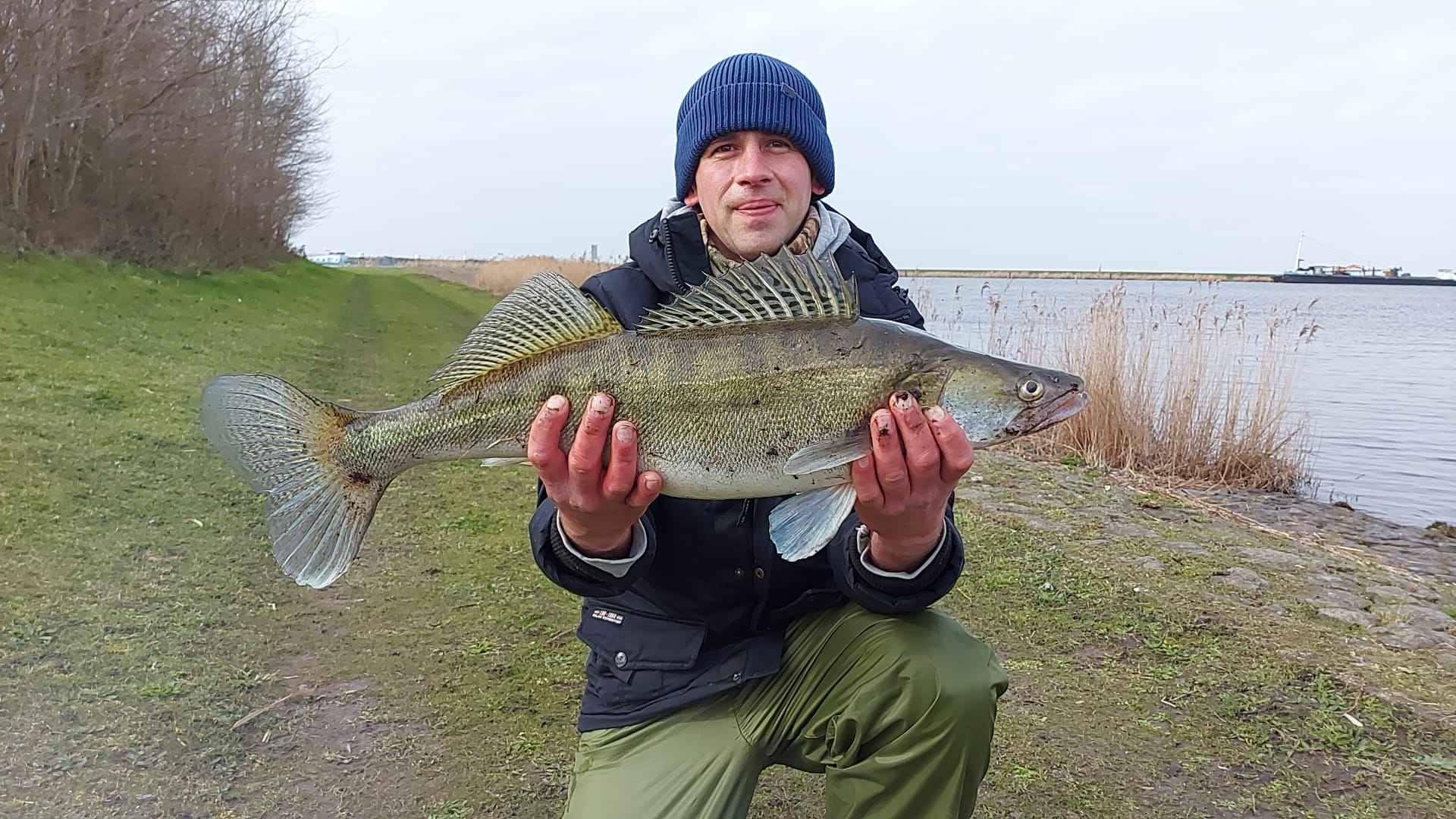
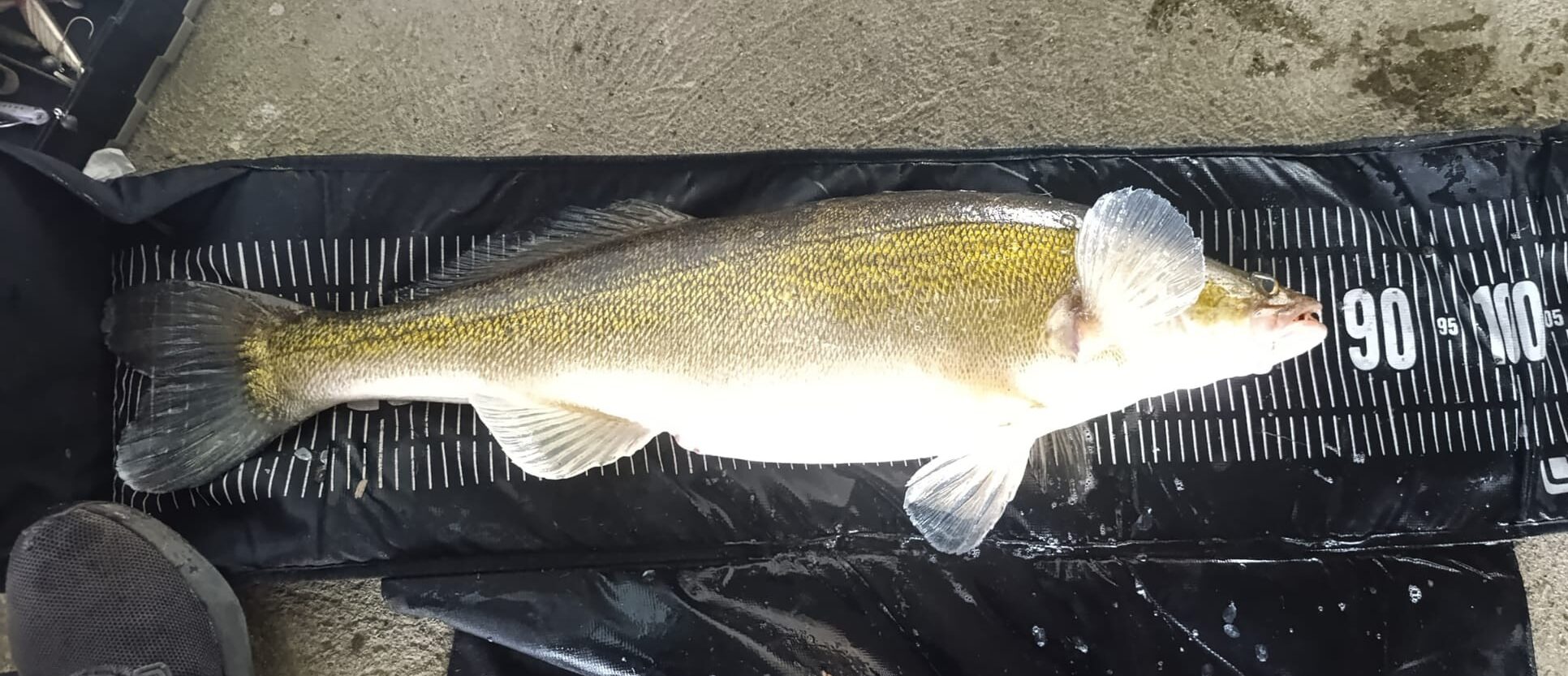
Catching your first zander in the Netherlands is a turning point for many anglers. In Poland, we know our rivers, lakes, and typical spots, but after arriving in NL, everything looks different: the canals are huge, the banks are reinforced with concrete, and the water seems the same everywhere.
Fortunately, zander in the Netherlands is numerous, predictable and very "schematic" — you just need to know where and how to look for it.
Below you will find a complete, practical guide that will let you catch your first zander faster than you think.
1. understand where zander stand in Dutch waters
The Netherlands is a country of canals, rivers and ports. Sandpiper love places where the bottom is hard and the water is working. The best structures are:
- Stone bands and bank reinforcements,
- pillars of bridges,
- Locks and their surroundings,
- ports and port basins,
- Transitions from soft bottom to hard bottom,
- constrictions and places with light pull.
If you see concrete, stone, structures - you are closer to the piker than further away.
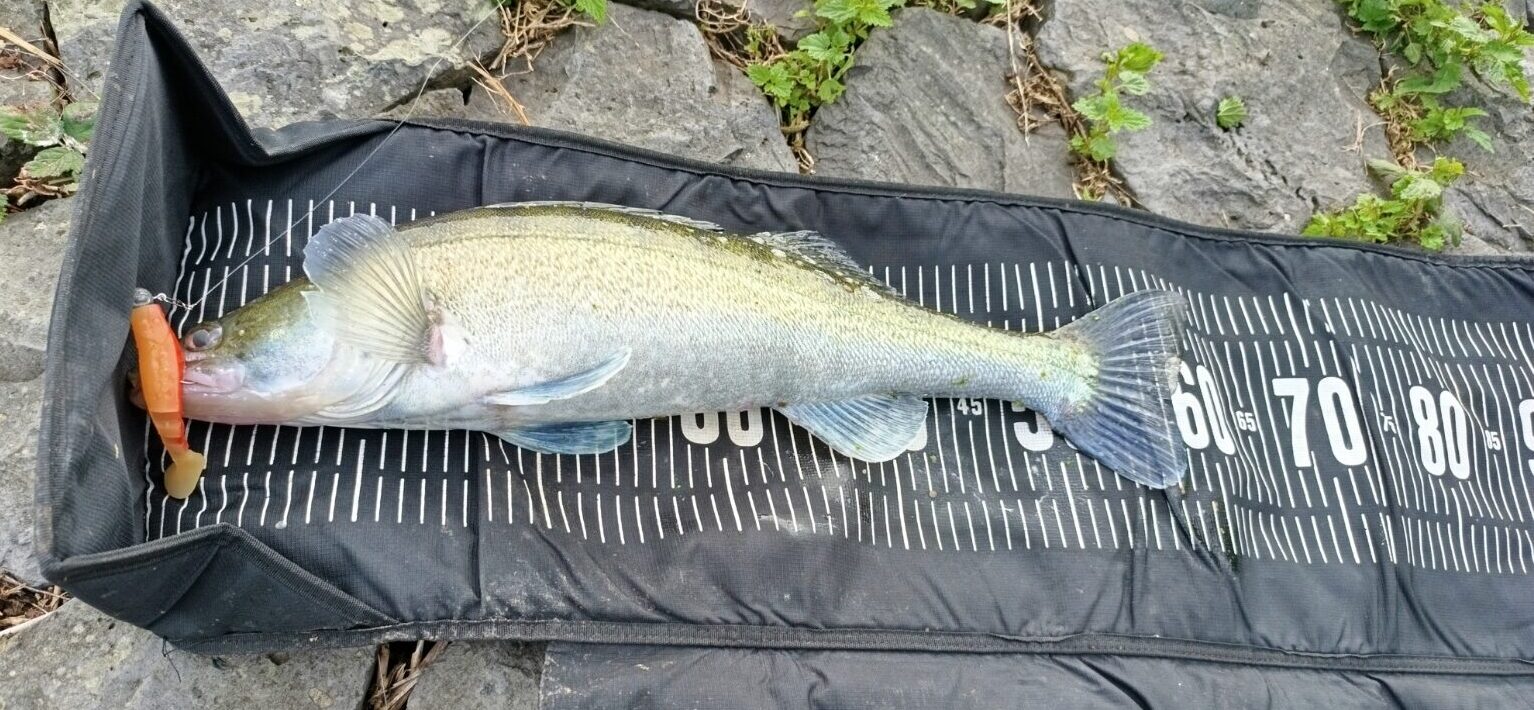
2. conditions at the fishery
In general, pikeperch prefers deeper places, with a depth of 2.5 - 6 meters. It is worth starting by fishing such places. If you do not know the depth, choose a place where the fall of the lure lasts noticeably longer - this is the easiest way to „feel” the holes without a sonar. If you are fishing on a monotonous reservoir, like most channels, even the smallest depth fault or, for example, a vertical obstruction counts.
Sandpipers can also be found shallower, for example, in channels that are 2 - 3.5 m. deep. If there is a hard bottom, murky water and a lot of small fish - do not hesitate to try and there. And if, in addition, there is a current there - you probably have your spot.
Another important factor is the hardness of the bottom. Sandpipers love hard bottom, stones, concrete. Try to look for places with concrete reinforcements, rocky banks. Places with a high current (e.g. dams, sluices) often have a washed out hard bottom. You can judge the hardness of the bottom by how the rod tip behaves after contact with the ground: on a hard bottom it straightens quickly and clearly, and on a soft bottom it reacts more slowly and „softly”.
You can additionally check both of these parameters - depth and bottom structure - for many Dutch reservoirs on this page , where you'll find maps and cross sections to help you plan outings.
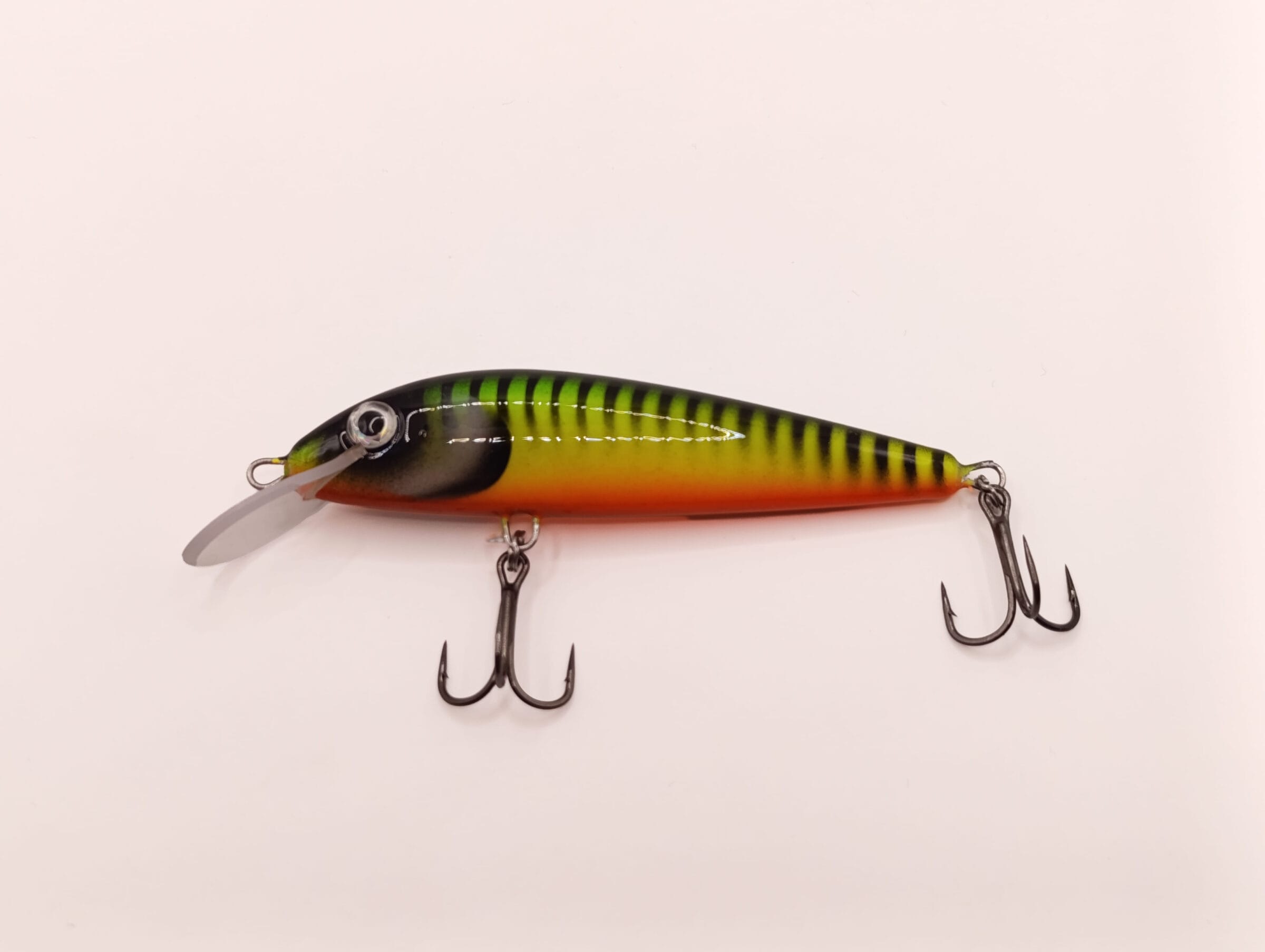
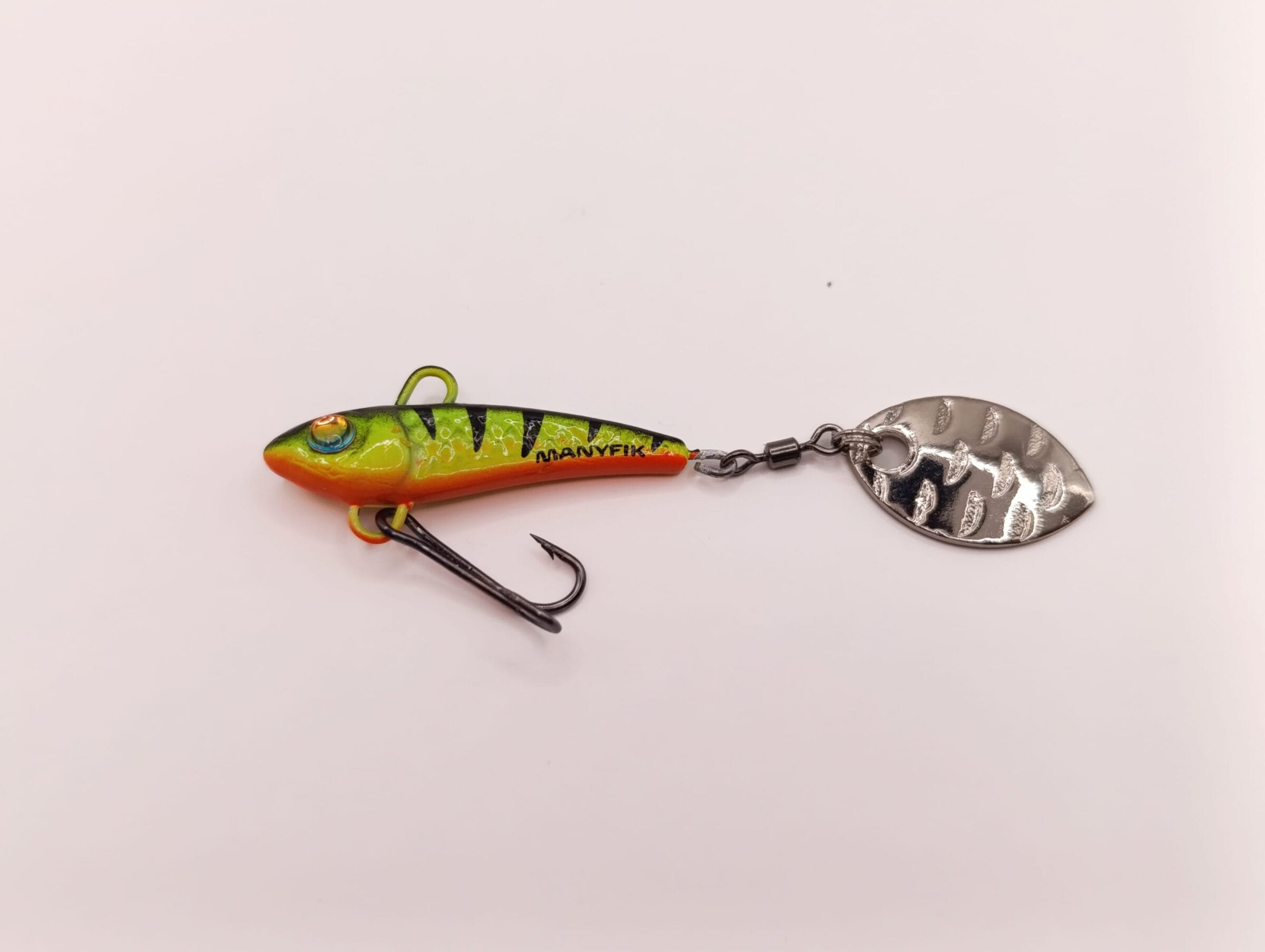
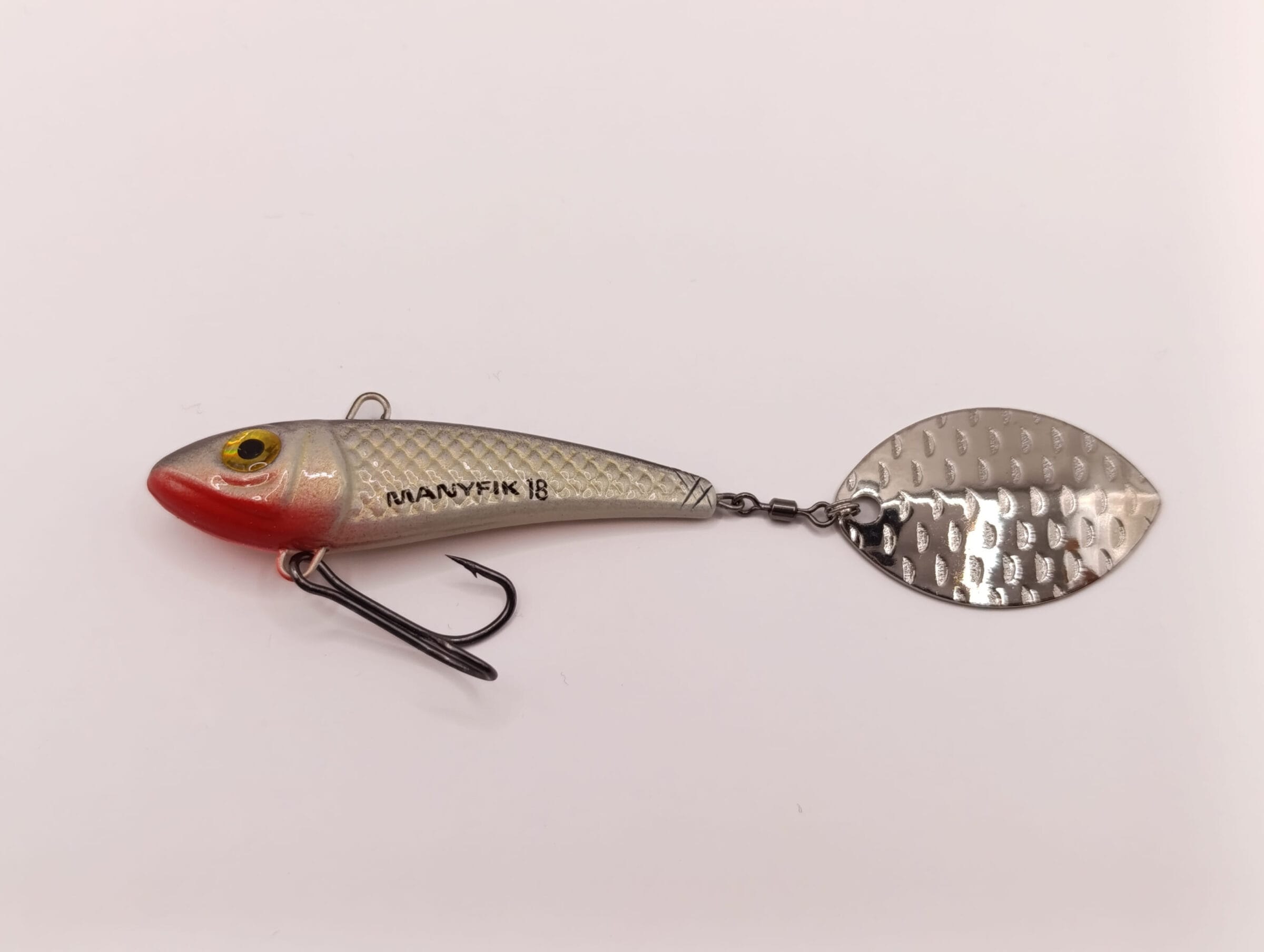
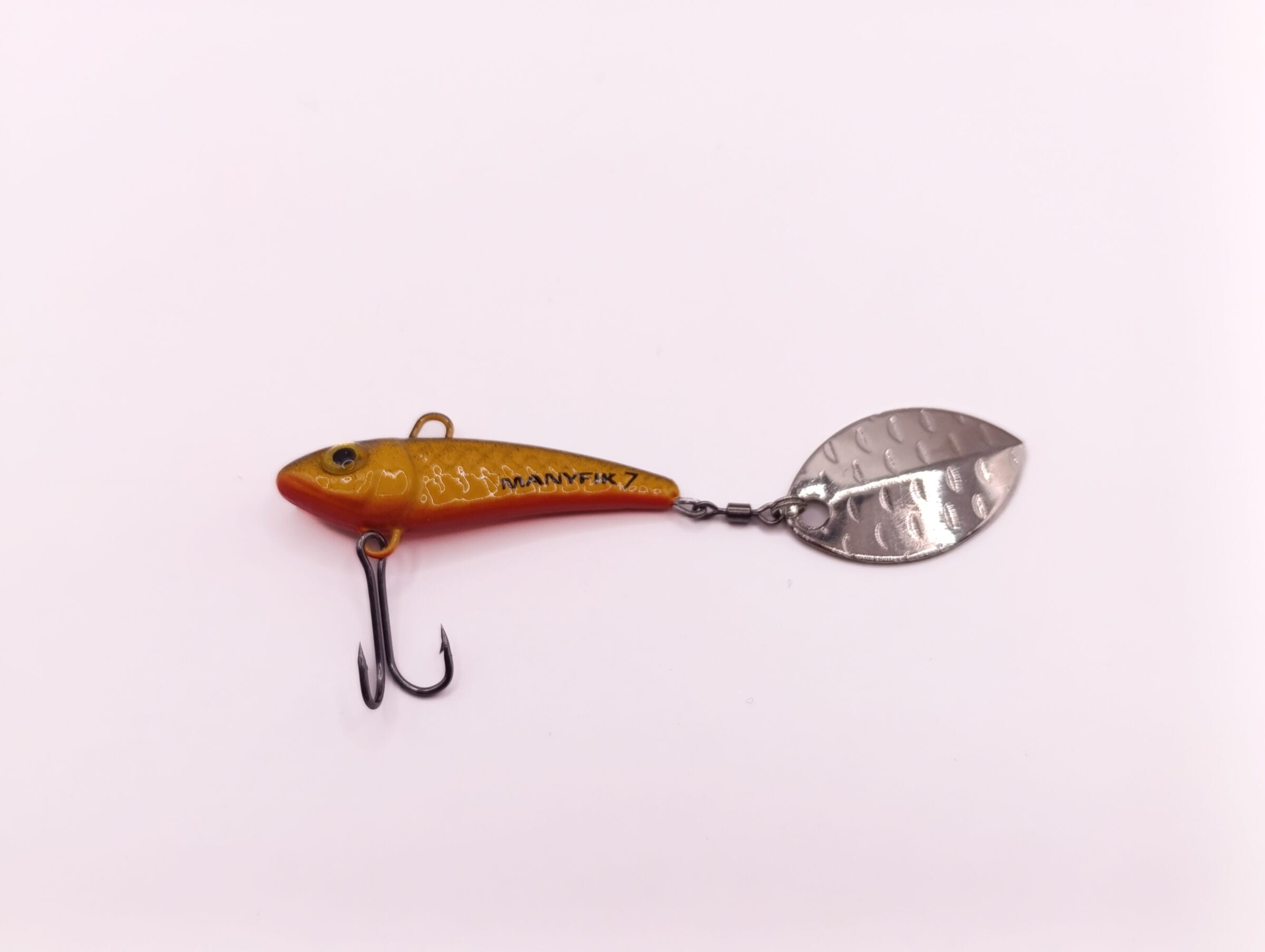
Our favorite lures for zander:
Wob-Art Popper Mick 6,5 cm
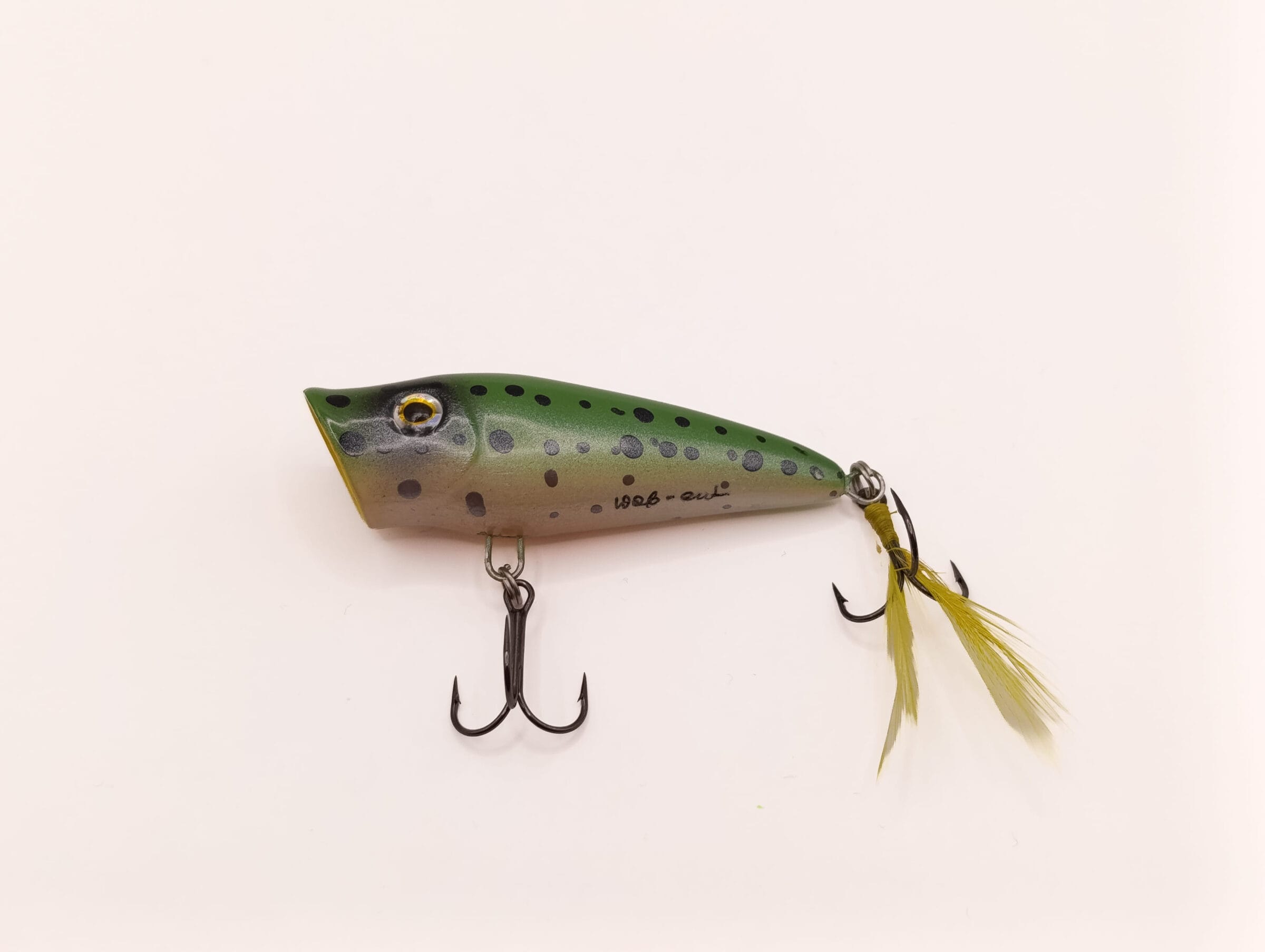
Popper Select Splash 5,3 cm
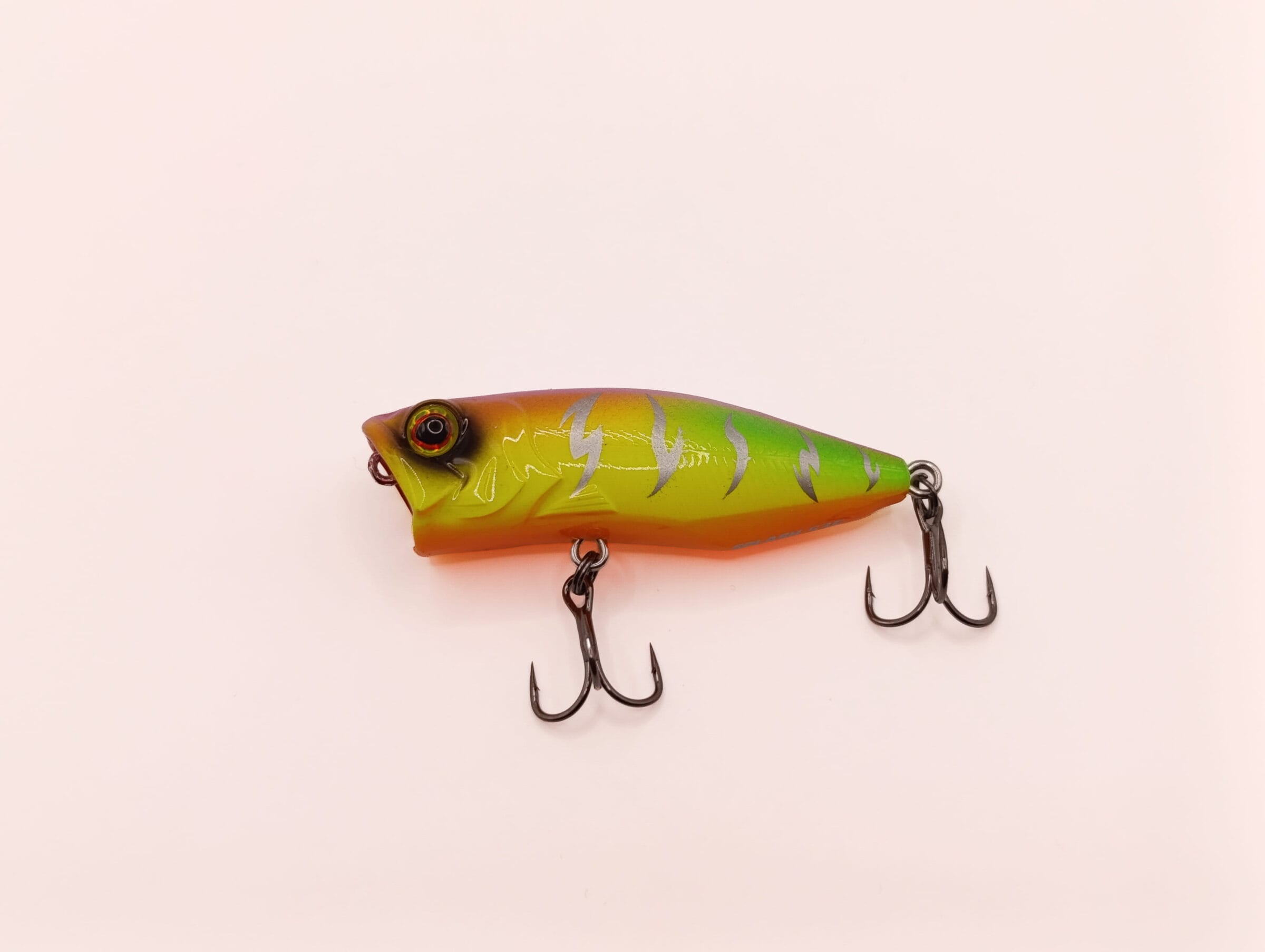
HMG Lures Classic Assasin Pro 8 cm
Manyfik Jerry 3g
Manyfik Jerry 18g
Manyfik Jerry 7g
3. move around - zander in the Netherlands don't like to wait
In the Netherlands, zander rarely stand „just anywhere.” This is a fish that sticks to specific sections. If there is no activity in a particular spot, there is no point in standing there for hours. This is one of the most common mistakes of beginners - sticking to one point and hoping that „maybe something will come up.”.
If after several casts from different angles and lure changes you have no contact with the fish, just move on.
The pike-perch in the Netherlands usually set on specific, short sections:
- Where the bottom suddenly gets harder,
- At transitions from shallower water into deeper water,
- In gutters and depressions,
- At bridges, constrictions and places with working water.
Therefore, the best strategy is fishing on the move: 15-20 minutes in one place, several projections in different directions, changing lures - And we move on.
This way you will hit the active fish faster, and the first zander will appear much sooner.
BONUS: Combine with techniques - zander in NL like variety
Once you've grasped the basics and found the first spots, it's a good idea to start playing with techniques. Dutch zanders can be capricious and sometimes the usual fall is not enough. This is when a change in the way of guiding or the whole method can make a huge difference.
Sometimes that's enough:
- slower fallout,
- shorter underbite,
- longer pause,
- changing the angle of projection,
- Or going down to a lighter head.
And there are days when the classic jig loses out to more precise techniques. One of them is drop shot, which in the Netherlands works great on sluggish fish, especially in winter and in places with high pressure.
If you want to try something new, I have prepared a separate article on dropshot, in which I introduce this technique and show when it can be more effective than the classic fallout.
Good luck on the water - May the first zander not keep you waiting long!
 Polish
  English
  Dutch
Dutch